

Siwa Oasis, Egypt: The Complete Travel Guide for 2026
Turquoise salt lakes, an ancient oracle, mud-brick fortresses and the Great Sand Sea: a local guide to the most remote and magical oasis in Egypt.
Siwa Oasis is the most remote and the most magical oasis in Egypt. Hidden in the Western Desert close to the Libyan border, it is a world of turquoise salt lakes, mud-brick fortresses, palm gardens and endless golden dunes. Its people speak their own Amazigh language, Siwi, and live by traditions that have barely changed for centuries. Alexander the Great crossed the desert to consult its oracle. Today travellers come to float in its salt pools, watch the sunset from Fatnas Island and sleep under the stars of the Great Sand Sea.
This guide is written by the Stars Camp team, local desert guides from the Western Desert who run private trips to Siwa throughout the year. It covers how to get there, what to see, how many days you need, when to go, what it costs and how to respect local culture, with tables to help you compare your options quickly. Many travelers combine Siwa with Bahariya and the White Desert, and this Western Desert travel guide explains how the route connects.
Siwa at a glance
- Where: in Egypt’s far Western Desert, about 300 km southwest of Marsa Matrouh and around 50 km from the Libyan border.
- Distance from Cairo: roughly 750 to 800 km by road, about 9 to 10 hours of driving.
- Known for: salt lakes you can float in, Shali Fortress, the Temple of the Oracle of Amun, Cleopatra’s Spring, Fatnas Island and the Great Sand Sea.
- Best time: October to April. Summer is very hot.
- Time needed: at least 3 days from Cairo, ideally 4 to 5 days.
Thinking about Siwa but worried about the long drive?
Our team makes the journey every season and knows the best stops, the most comfortable timing and how to break it up. Ask us how we would plan it for your group.
Why Siwa is unlike anywhere else in Egypt
Most of Egypt’s story is written along the Nile. Siwa grew up far from it, surrounded by desert in every direction. The oasis lies in a depression below sea level and is fed by hundreds of natural springs. That water supports a sea of date palms and olive groves, and it also feeds large salt lakes that shine bright blue against the sand.
Isolation shaped a unique culture. Siwans are Amazigh (Berber) people, related to communities across North Africa. They speak Siwi at home, wear traditional embroidered clothing, and build with kershef, a mixture of salt rock and mud. Life follows the rhythm of the palm harvest, family gatherings and religious festivals.
For travellers, this means Siwa feels calm, authentic and very different from Cairo or Luxor. There are few cars in the old town, donkey carts are still common, and the evenings are quiet enough to hear the wind in the palms.
How to get to Siwa from Cairo
There is no regular airport for tourists in Siwa, so almost everyone arrives by road. There are two main ways to do it.
| Option | Route | Time | Pros | Cons |
|---|---|---|---|---|
| Private car or 4×4 | Cairo to Alexandria desert road, coast road to Marsa Matrouh, south to Siwa | 9 to 10 hours | Door to door, flexible stops, comfortable | Higher cost for solo travellers |
| Public bus | Cairo to Siwa (often via Marsa Matrouh) | 10 to 12 hours | Cheap | Long, fixed times, little flexibility |
| Through the desert from Bahariya | Bahariya to Siwa desert track | 7 to 9 hours off-road | Spectacular remote desert | Needs permits, two 4x4s and an expert team |
Most of our guests choose a private car from Cairo with a stop on the Mediterranean coast. On longer trips we connect Siwa with Bahariya and the White Desert through the desert, which is one of the great adventures of the Western Desert but requires special permits that we arrange in advance.
Top things to do in Siwa Oasis
1. Float in the turquoise salt lakes
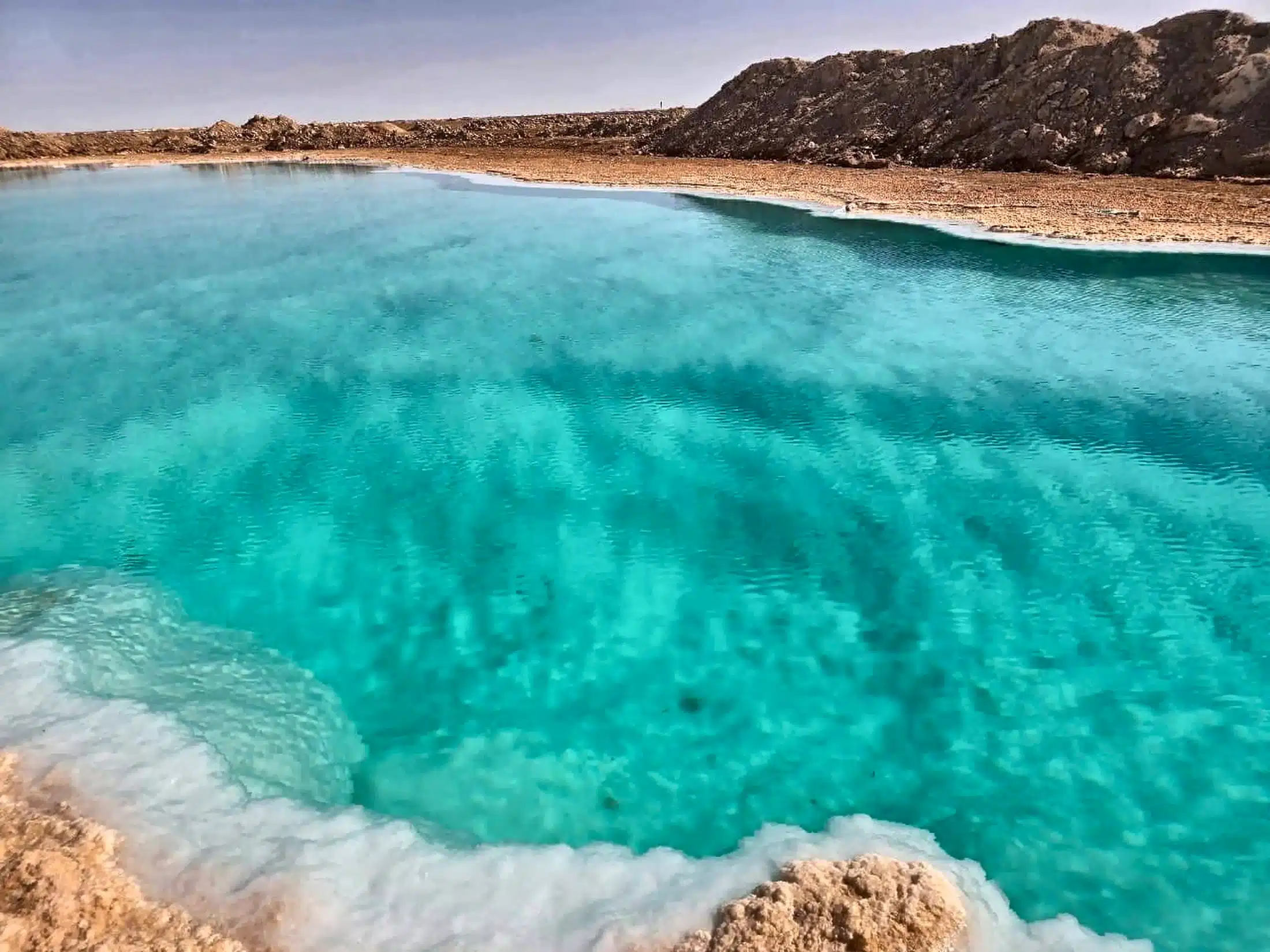
Siwa’s salt lakes are its most famous sight. The water is so salty that you float effortlessly, like in the Dead Sea. Small pools near the salt mines have bright turquoise water surrounded by white salt crystals. Bring a bottle of fresh water to rinse your eyes and skin afterwards, and avoid shaving on the day you swim.
2. Walk through Shali Fortress
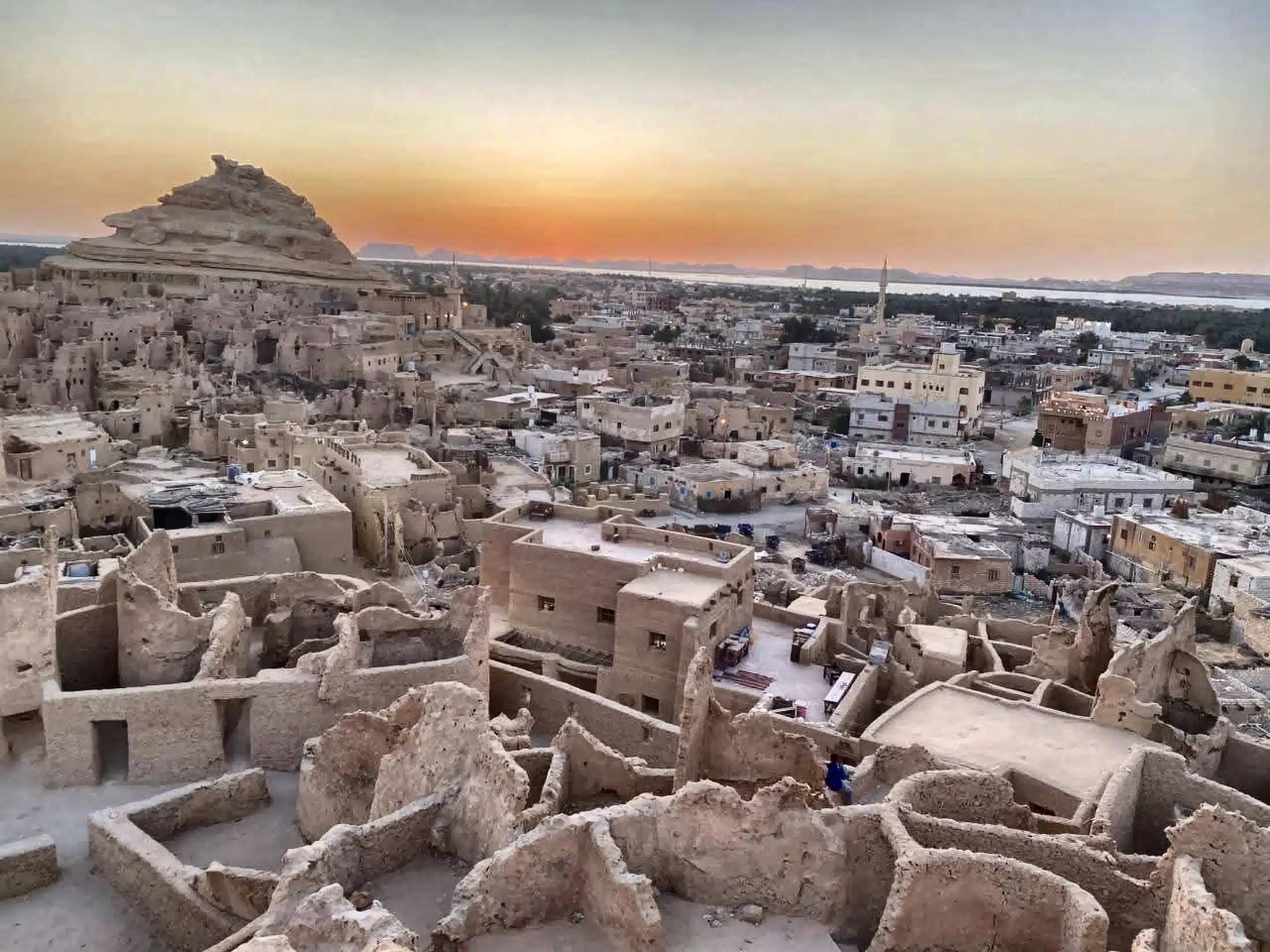
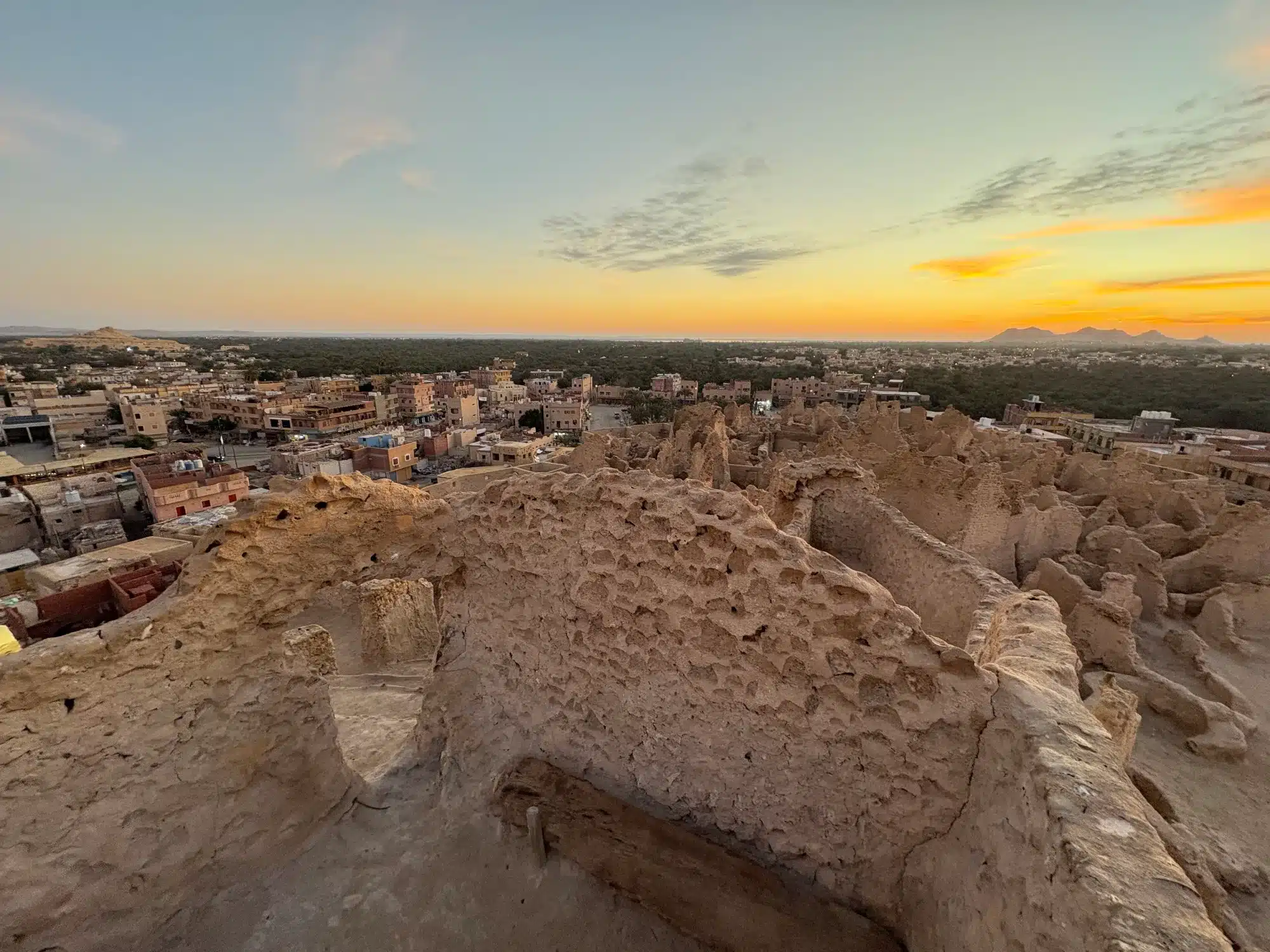
Shali is the old fortified town of Siwa, built in the 13th century from kershef. For centuries families lived inside its walls for protection. Heavy rains in the 20th century, especially in 1926, damaged the buildings, and people gradually moved out. Today the ruins look like a melted sandcastle, and parts have been carefully restored. Climb to the top at sunset for a 360-degree view of the oasis.
3. Visit the Temple of the Oracle of Amun
In the village of Aghurmi stands the Temple of the Oracle, one of the most famous oracles of the ancient world. In 331 BC Alexander the Great crossed the desert to consult it, and according to ancient writers he was greeted as the son of Amun. The ruins sit on a rock above the palm groves with a lovely view. Local guides at Egypt Safari Travel also share useful advice on desert safaris across Egypt.
4. Explore the Mountain of the Dead
Gebel al-Mawta, the Mountain of the Dead, is a hill honeycombed with rock-cut tombs from the Late Period and the Ptolemaic and Roman eras. A few tombs, such as the tomb of Si-Amun, still have painted decoration. The hill also offers a great view over Siwa town.
5. Swim in Cleopatra’s Spring
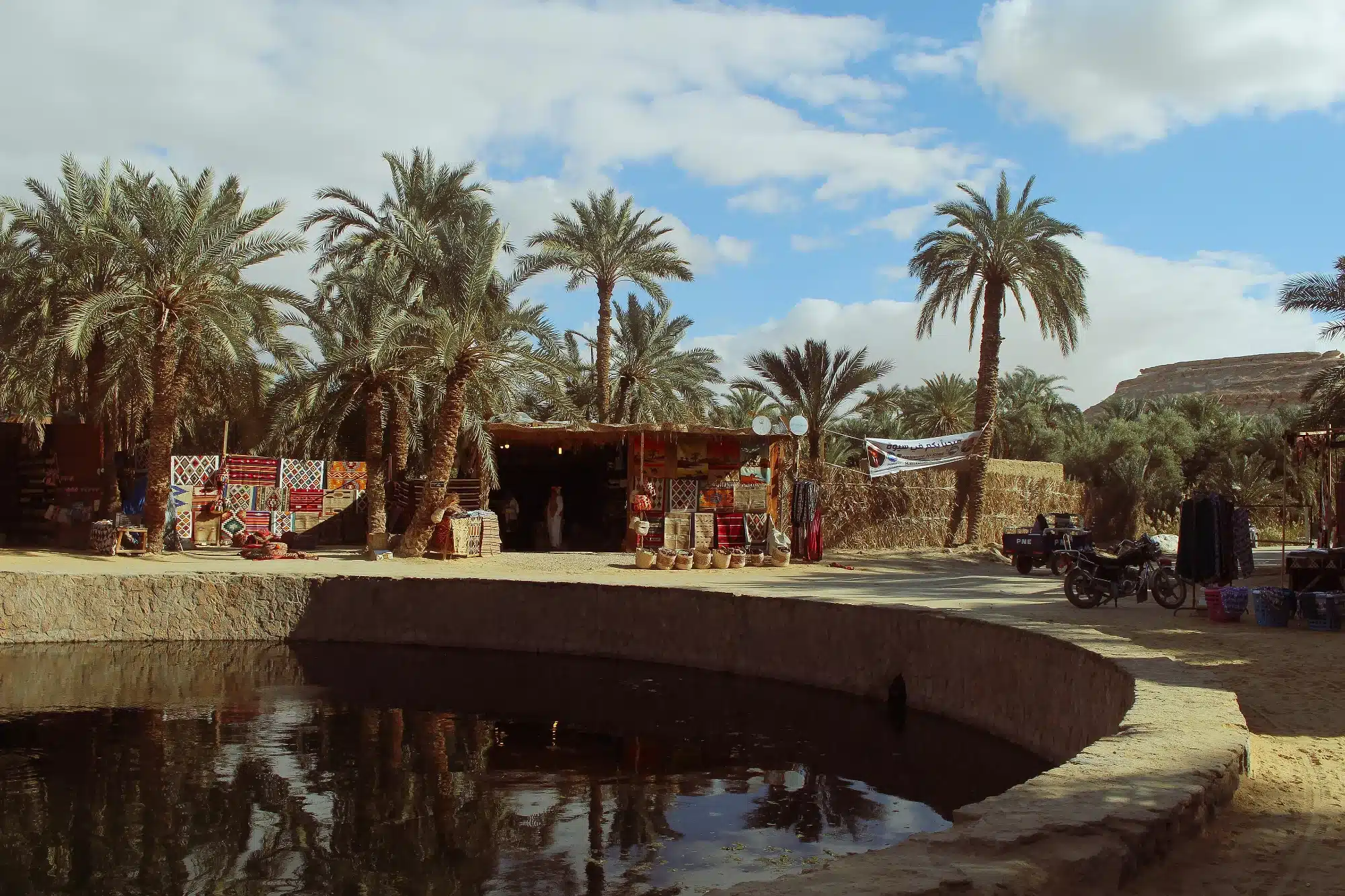
Ain Juba, better known as Cleopatra’s Spring, is a round stone pool fed by a natural spring. The water is clear and pleasant, and there are small cafes around it. It is a favourite place for a morning swim.
6. Watch the sunset from Fatnas Island
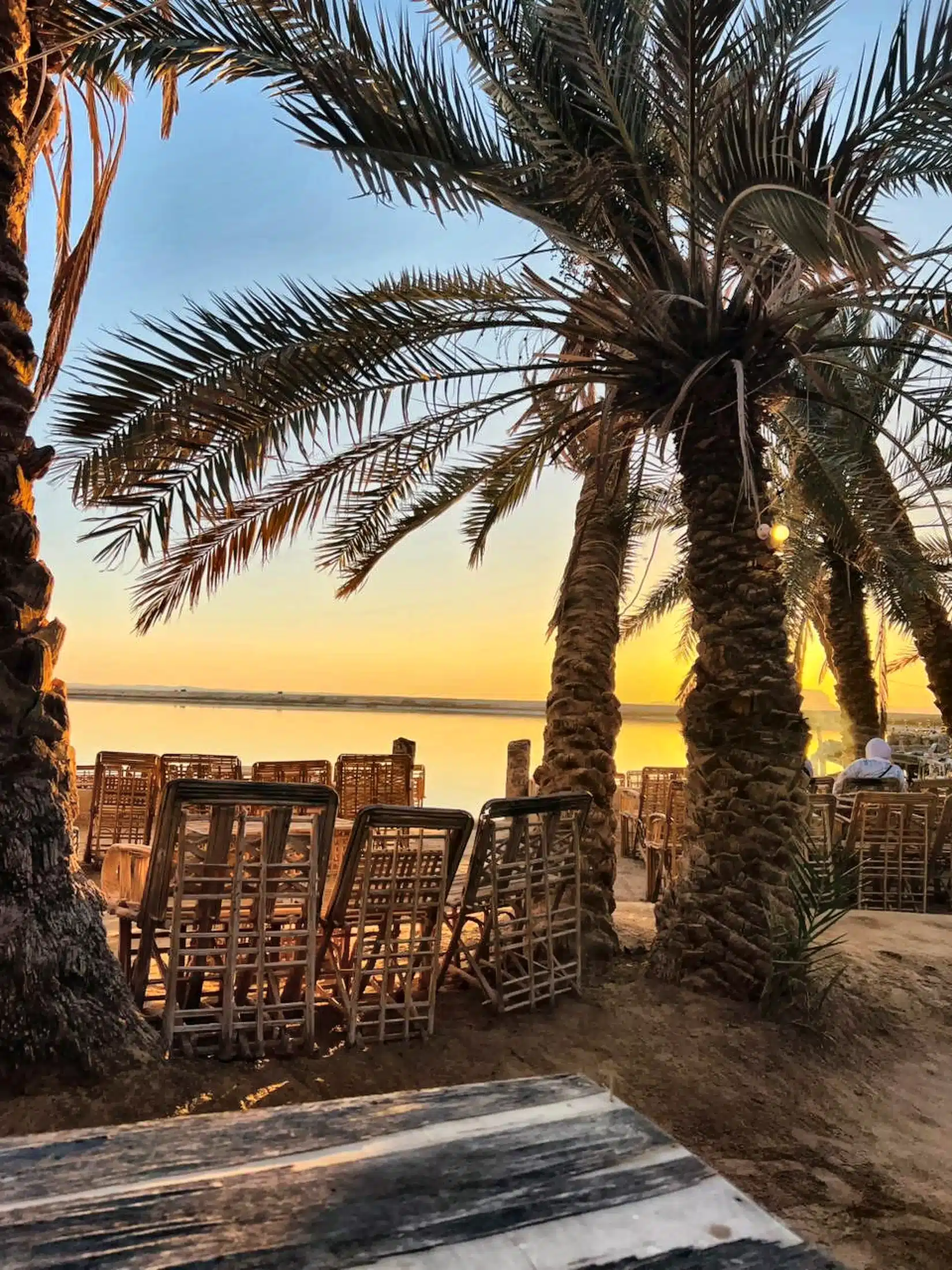
Fatnas is a palm-covered peninsula on the edge of a salt lake. Every evening locals and travellers gather here with tea to watch the sun go down over the water and the desert beyond.
7. Go on a Great Sand Sea safari
South of Siwa begins the Great Sand Sea, one of the largest dune fields on Earth. A half-day 4×4 safari includes dune driving, sandboarding, a swim in a hot or cold spring in the middle of the dunes, and sunset on top of a giant dune. You can also sleep there in a desert camp.
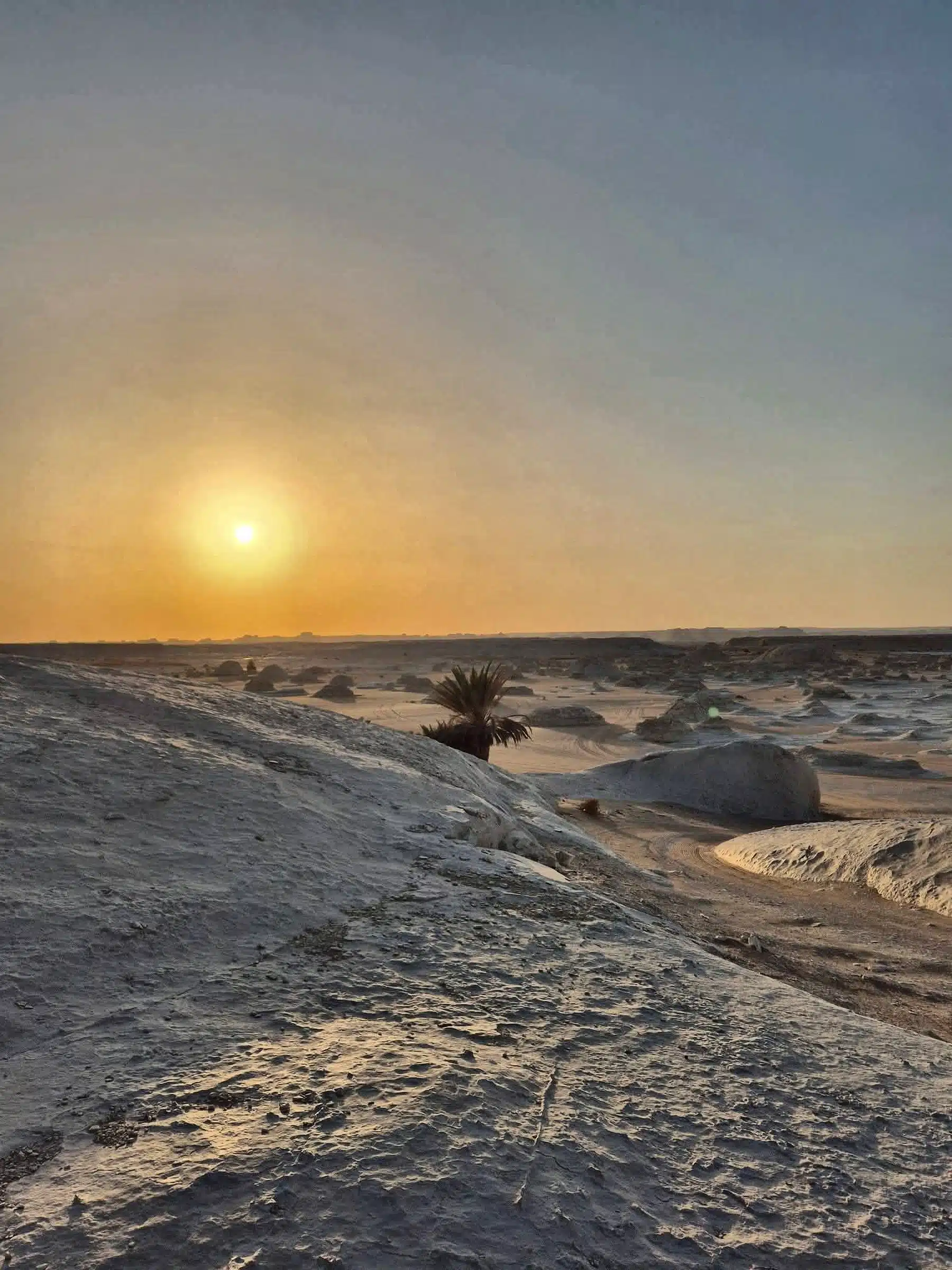
| Attraction | Time needed | Best time of day | Good for |
|---|---|---|---|
| Salt lakes | 2 to 3 hours | Late morning to afternoon | Swimming, photos |
| Shali Fortress | 1 hour | Sunset | History, views |
| Temple of the Oracle | 1 hour | Morning | History lovers |
| Mountain of the Dead | 1 hour | Morning | Tombs, views |
| Cleopatra’s Spring | 1 to 2 hours | Morning | Swimming, relaxing |
| Fatnas Island | 1 to 2 hours | Sunset | Sunset, tea |
| Great Sand Sea safari | Half day or overnight | Afternoon and evening | Adventure, stars |
Want to know which salt pool has the clearest water this month?
Salt pools change with the season and the salt harvest. Message us and we will tell you where the water is most beautiful right now, plus a quiet sunset spot most visitors never find.
How many days do you need in Siwa?
Because the drive is long, the number of days really matters. Here is how we usually plan it.
| Trip length | What you can do | Our opinion |
|---|---|---|
| 2 days | Drive there and back with one evening in Siwa | Too rushed, not recommended |
| 3 days, 2 nights | Main sights, salt lakes, sunset at Fatnas, short dune safari | The minimum for a good first visit |
| 4 to 5 days | Everything above plus a night in the Great Sand Sea and slow time in town | Ideal |
| 7 days or more | Combine Siwa with Fayoum, Bahariya and the White Desert | The complete Western Desert journey |
Best time to visit Siwa
| Season | Day temperature | Night temperature | Notes |
|---|---|---|---|
| Winter (December to February) | 18 to 22°C | 3 to 8°C | Sunny days, cold nights, great for the desert |
| Spring (March to April) | 24 to 30°C | 10 to 15°C | Lovely weather, some windy days |
| Summer (May to September) | 35 to 42°C | 20 to 25°C | Very hot, only early mornings and evenings are comfortable |
| Autumn (October to November) | 27 to 32°C | 13 to 18°C | Date harvest season, warm water for swimming |
Every autumn, around the full moon of October, Siwans gather at Gebel Dakrur for the Siyaha festival, a celebration of reconciliation and community with shared meals and Sufi chanting. If your dates match, it is a rare chance to see Siwan culture at its warmest.
Siwan culture and respectful travel
Siwa is a conservative and peaceful community. Visitors are warmly welcomed, and a little respect goes a long way.
- Dress modestly in town: shoulders and knees covered for everyone. Swimwear is fine at the salt lakes and springs used by visitors.
- Ask before photographing people, especially women. Many prefer not to be photographed.
- Alcohol is not part of local life. Please do not drink in public.
- Buy local crafts such as embroidered textiles, baskets, olive oil and dates. It supports families directly.
- Learn a word or two of Siwi or Arabic. A simple greeting always brings a smile.
What to eat in Siwa
Siwa is famous across Egypt for its dates and olives, grown in thousands of gardens around the oasis. Try fresh dates in autumn and local olive oil with bread for breakfast. Another speciality is abu mardam, meat or chicken slow-cooked in the hot sand, often prepared on desert trips. Mint tea, sweetened and served in small glasses, is part of every meeting and every sunset.
Where to stay in Siwa
Accommodation in Siwa is part of the experience. Many lodges are built in the traditional way, with kershef walls, palm-wood ceilings and courtyards shaded by date palms. Some eco-lodges have no electricity at night and are lit only by candles and lanterns, which makes the stars even brighter. In town you will also find simple, clean guesthouses run by Siwan families, ideal if you want to be close to the market and the restaurants. For a truly special night, choose a desert camp in the Great Sand Sea, where you sleep among the dunes far from any light. When we plan a Siwa trip, we choose the accommodation based on your budget and the kind of experience you want, from comfortable hotels to authentic eco-lodges.
A perfect 3-day Siwa itinerary
This is the plan we use most often for a first visit. It balances the long drive with enough time to enjoy the oasis without rushing.
Day 1: Cairo to Siwa
We leave Cairo early in the morning and drive along the desert road towards Alexandria, then west along the Mediterranean coast. A lunch stop near the sea breaks the journey. After Marsa Matrouh the road turns south into the desert, and the landscape becomes wider and emptier until the first palm trees of Siwa appear in the late afternoon. Check in, have dinner and enjoy the quiet of the oasis.
Day 2: The heart of Siwa and the Great Sand Sea
In the morning we visit the Mountain of the Dead, the Temple of the Oracle in Aghurmi and Cleopatra’s Spring for a swim. After lunch the 4x4s take us south into the Great Sand Sea. We drive over the dunes, try sandboarding and soak in a spring hidden among the sand before watching the sunset from the top of a dune. Dinner can be in the desert or back in town.
Day 3: Salt lakes and the road home
After breakfast we float in the turquoise salt pools, then walk through Shali Fortress and the old market to buy dates, olive oil and crafts. Around midday we start the drive back to Cairo, arriving in the evening. With an extra day, we would add sunset at Fatnas Island and a night in a desert camp.
How much does a Siwa trip cost?
Here are our private Siwa tour prices per person in US dollars. Group size makes a big difference because the car, driver, guide and fuel are shared.
| Private tour | 1 traveller | 2 travellers | 3 travellers | 4 travellers | 5+ travellers |
|---|---|---|---|---|---|
| 3 days Siwa from Cairo | $520 | $360 | $315 | $290 | $260 |
| 7 days Fayoum, White Desert and Siwa | $1,090 | $760 | $660 | $610 | $560 |
Prices include private transport from Cairo, accommodation, a local guide, the Great Sand Sea safari and entrance fees listed in each itinerary. Tell us your dates and group size for an exact quote.
Practical tips for Siwa
| Topic | What you should know |
|---|---|
| Money | There are ATMs in Siwa town, but bring enough Egyptian pounds in cash for small shops and tips. |
| Internet | Mobile data works in town; coverage disappears in the Great Sand Sea. |
| Permits | Some desert areas need permits for foreigners. Licensed operators arrange them; carry your passport. |
| Getting around | Bicycles, tuk-tuks and donkey carts in town; 4×4 for the desert. |
| Accommodation | From simple guesthouses to beautiful eco-lodges built from kershef and palm wood. |
| Health | Drink bottled water, use strong sunscreen and rinse well after swimming in salt lakes. |
Combining Siwa with the White Desert and Fayoum
If you love deserts, Siwa is the perfect finale to a longer Western Desert journey. A classic 7-day route starts in Cairo, visits the waterfalls and whale fossils of Fayoum, continues to Bahariya, camps in the White Desert and then reaches Siwa for its lakes and dunes before returning to Cairo by the coast road. It is a full circle through the most beautiful landscapes of western Egypt, and one of the trips our team enjoys guiding the most.
Siwa Oasis FAQ
Is Siwa Oasis safe for tourists?
Yes. Siwa is a calm and welcoming community and receives travellers all year. As in any remote area, travel with a licensed operator for desert trips and carry your passport for checkpoints.
Can you really float in Siwa’s salt lakes?
Yes. The salt concentration is very high, so you float easily without effort. Keep the water away from your eyes and rinse with fresh water afterwards.
How long is the drive from Cairo to Siwa?
About 9 to 10 hours by private car via the Alexandria road and Marsa Matrouh, including short stops.
Is Siwa worth visiting if I have only 3 days?
Yes, 3 days and 2 nights is enough for the main sights, the salt lakes and a sunset safari in the dunes. With 4 or 5 days you can relax and add a night in the desert.
What language do people speak in Siwa?
Siwans speak Siwi, an Amazigh (Berber) language, at home, and Arabic with visitors. Many people in tourism also speak some English.
Can I visit Siwa and the White Desert on the same trip?
Yes. On a 7-day Western Desert itinerary you can combine Fayoum, Bahariya, the White Desert and Siwa. The desert track between Bahariya and Siwa needs permits and two vehicles, which we arrange.
Dreaming of Siwa, the White Desert and the Great Sand Sea in one journey?
Tell us how many days you have and we will sketch a route that fits, with honest advice on what is worth it and what you can skip. Ask as many questions as you like.
Sources and further reading
- Stars Camp team and Ahmed Lotfy, local guides of Egypt’s Western Desert: first-hand experience from private trips to Siwa, the Great Sand Sea and the desert route from Bahariya.
- Ministry of Tourism and Antiquities, Egypt: Siwa Oasis, the Temple of the Oracle and Gebel al-Mawta. egymonuments.gov.eg
- Egypt’s official tourism portal, Experience Egypt: Siwa Oasis. experienceegypt.eg
- Wikipedia: Siwa Oasis. en.wikipedia.org
- Wikipedia: Siwi language. en.wikipedia.org
- Encyclopaedia Britannica: Siwa. britannica.com
About Stars Camp Team
Local hotel and desert operator in Bahariya Oasis, Egypt
Stars Camp is a family-run hotel and desert camp in El Bawiti, Bahariya Oasis, founded by local guide Ahmed Lotfy. Our team grew up between the palm gardens of Bahariya and the chalk formations of the White Desert. We drive our own 4x4s, cook our own camp dinners and guide travellers from all over the world through the Western Desert, Siwa, Fayoum and the rest of Egypt every week of the year.
Everything in our travel guides comes from that first-hand, on-the-ground experience, checked against official and academic sources. Travellers trust us with their nights in the desert, and our five-star reviews on Google and Tripadvisor are the proof.
Keep exploring the desert
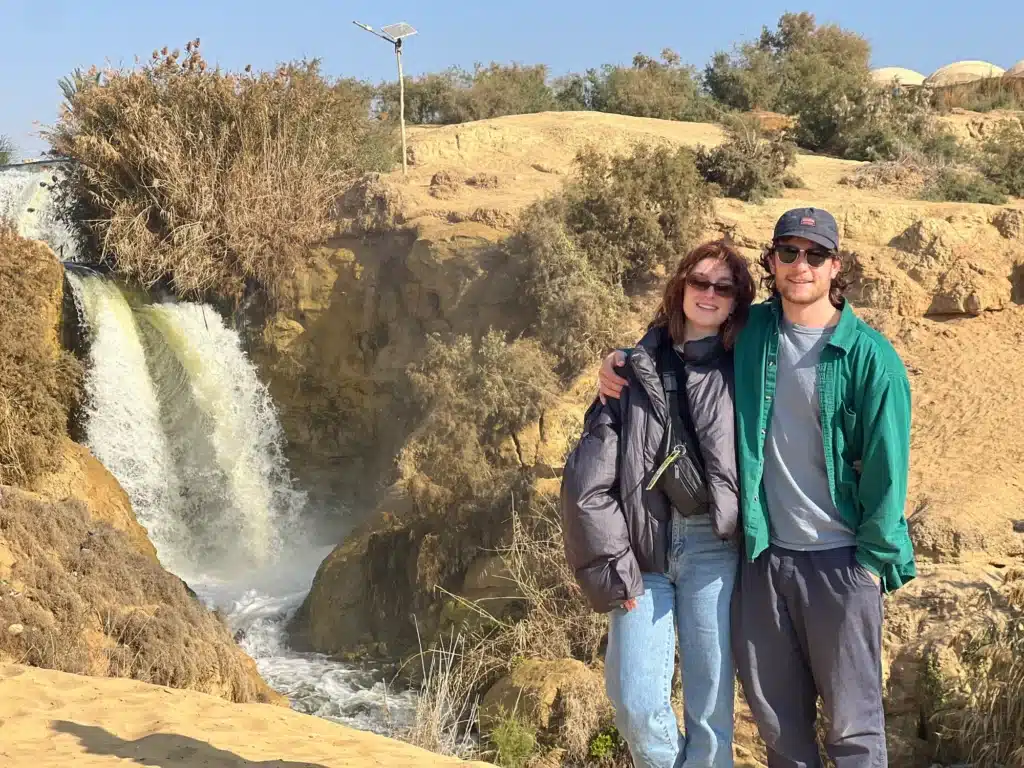
Fayoum Oasis, Egypt: Waterfalls, Whale Valley and Magic Lake Guide (2026)
Waterfalls in the desert, 40-million-year-old whale fossils and a lake that changes colour, less than two hours from Cairo. A local guide to Fayoum.
Read the guide →
White Desert Egypt: The Complete 2026 Guide from Local Desert Guides
Chalk towers, a night under the stars and the Black Desert on the way: everything you need to plan a White Desert trip, written…
Read the guide →